
Product deal feed API
Product deal feed API: on-sale affiliate SKUs, discounts, and images in one REST contract
Searching product deals API, product deal feed API, or product feed API? Feedico exposes a sale-focused affiliate product deal feed: titles, brands, list vs sale price, discount percentage, images, and merchant provenance from connected programmes. This is not a coupon dump. It is SKU-level product deals you can merchandize. Pair it with the coupon API for promo codes, or the global catalogue for discovery. Product feed entitlement ships on Pro and Business.
Live product deal feed pulse
Last sync and real product deals from many merchants
A living product deal feed: last successful sale-catalogue sync, approximate SKU volume, and a multi-merchant sample (one deal per firm) so the page does not look like a single-storefront dump. Source: CJ Affiliate product catalogue, sale-focused sync policy.
Last successful sync
20 Oct 2026, 16:35
17 hours ago · UTC
Products in feed
3,746,299
Approx. active SKUs after last pull
Advertisers synced
244
Merchant programmes in the last run
Last job duration
1h 12m
Full catalogue refresh window
Live sample: product deals across 12 merchants
Spaced probes across the synced catalogue, one on-sale SKU per firm (megamerchant ID tails de-emphasized). Same ProductRow shape as POST /api/v1/me/products.
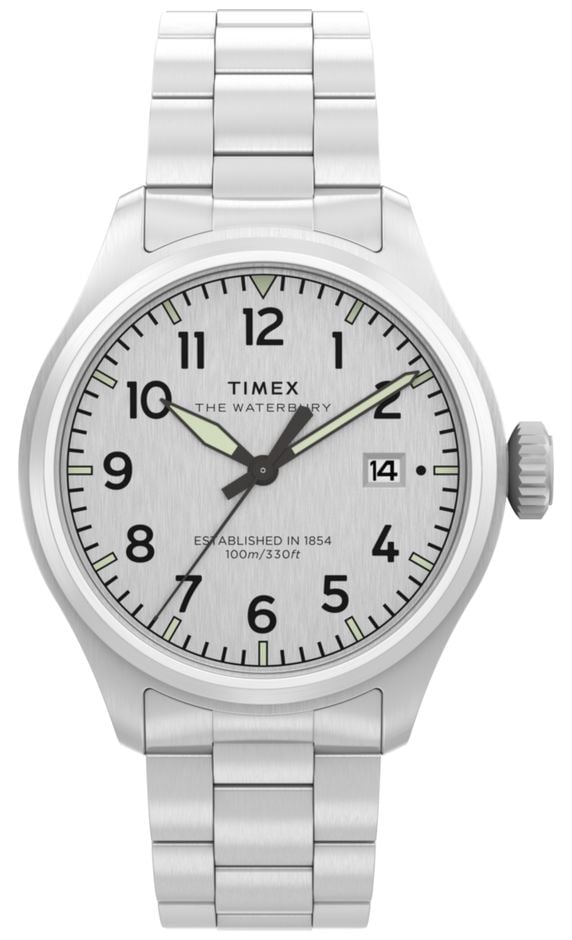
First Class Watches
-35%Timex TW2Y18800 Waterbury Ace (41mm) Silver Dial / Stainless Watch
£123£190
Belk
-50%evie & emma Lab Grown Silver Tone Clear CZ Oval with Pave Halo Ring, 7
$15.00$30.00

Foster Grant
-50%Foster Grant Woodbridge Reading Glasses Teal Crystal
$16.48$32.95

The Luxury Closet
-10%Gucci Dionysus Large Black Patent Leather Shoulder Bag
$2,639$2,932
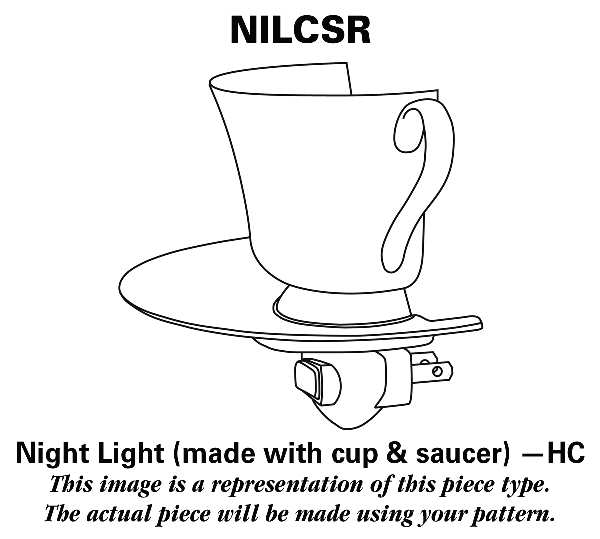
Replacements Ltd.
-8%Victoria (Czech) VIT147 4 3/8"-4 5/8" Night Light/Cup & Saucer HC
$59.99$64.95

BOOKSAMILLION.COM
-15%I Quit My Apprenticeship as a Royal Court Wizard to Become a Magic Item Craftswoman (Manga) Vol. 2, by Sei Kamiizumi
$11.89$13.99

Clearly
-30%Ralph RA7161U Shiny Transparent Rose
CA$150CA$214

Nugnes INT
-46%Casia silk shirt - Dries Van Noten, S
£466£865

DHgate
-7%Dunhuang Cultural Nine-Colored Deer Retro Chinese Personal Specialty Master Cup Tea Set Gift National Trend ddmynov
$27.52$29.59
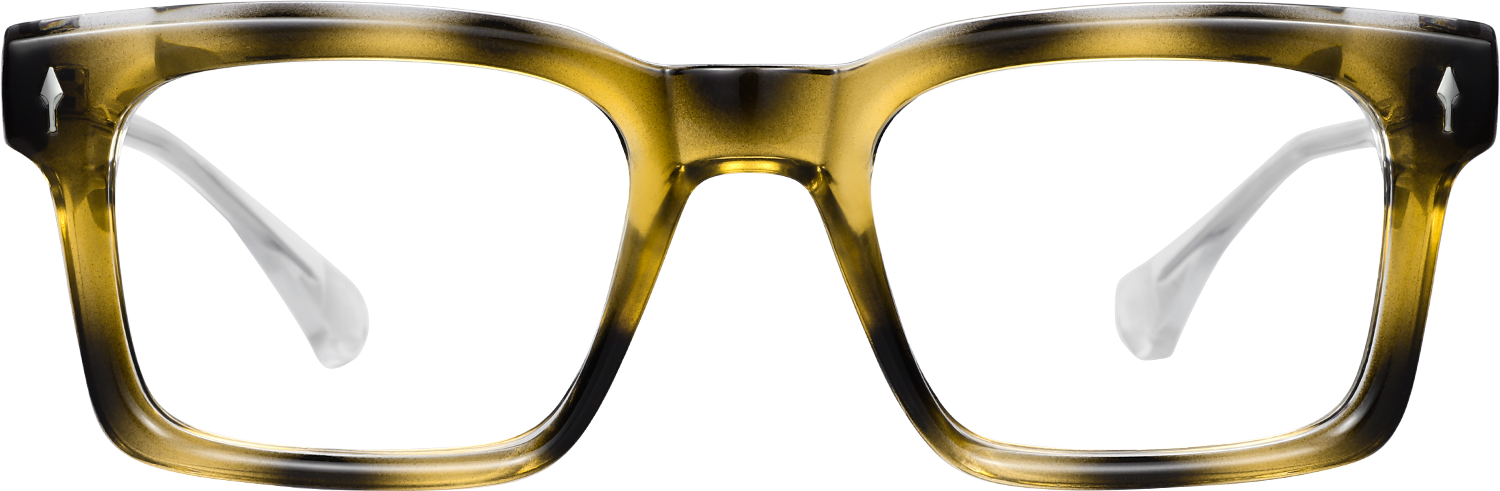
Fytoo
-35%Fytoo Square Tortoiseshell TR90 Full Rim Eyeglasses
$10.95$16.95

UNice
-50%UNice Reddish Brown Water Wave Wig Bye-Bye Slip™ 7×5 Lace Closure Glueless Vibrant Flowing Waves
£71.40£143

Magid Glove & Safety
-66%Magid WeldPro T2701S Shoulder Split Cow Leather Welding Gloves - Men's Single Left Glove
$1.75$5.10

Who uses a product deal feed API?
Deal & merchandising sites
Price-drop grids, sale carousels, and brand shops powered by discounted SKU rows instead of manual CSV.
Shopping assistants & extensions
Surface product deals by merchant or brand at browse time with stable JSON sale fields.
ETL & warehouses
Page /me/products into your DB on a schedule; keep sale windows, discounts, and images fresh.
AI agents & automations
Give agents a single product-deal catalogue contract across networks you already joined.
No affiliate network accounts yet? The Managed Partner Program gives you tracked links to 3M+ products (plus coupons and merchants) and pays a share of the commission, with no network approvals.
Endpoints: account product deal feed and global catalogue
Customer product deal rows live under POST /api/v1/me/products. Cross-tenant discovery (no publisher offerUrl) uses POST /api/v1/catalog/products. Both are Bearer-token JSON, pageable, and documented in OpenAPI.
| Surface | Path | Best for |
|---|---|---|
| Your feed | /api/v1/me/products | Programmes you connected; sale fields, images, offer URLs when synced |
| Catalogue | /api/v1/catalog/products | Discovery index across tenants; no shared tracking links |
Try product deal list calls
Create an fdco_ token in the dashboard, then POST JSON. Interactive docs: api.feedico.io/api-docs. Use /me/products for your connected programmes (includes offerUrl when synced) and /catalog/products for cross-tenant discovery without shared tracking links.
curl -sS -X POST 'https://api.feedico.io/api/v1/me/products' \
  -H 'Authorization: Bearer fdco_YOUR_TOKEN' \
  -H 'Content-Type: application/json' \
-d '{"pageSize":50,"firmName":"Belk"}'{
"ok": true,
"recordCount": 50,
"page": 1,
"pageSize": 50,
"nextCursor": "4790020",
"availableProviders": ["cj_affiliate"],
"products": [
{
"id": "4790020",
"networkId": "9204412",
"firmName": "Example Merchant",
"provider": "cj_affiliate",
"externalProductId": "sku-123",
"title": "Wireless earbuds on sale",
"brand": "ExampleBrand",
"price": 79.99,
"salePrice": 49.99,
"discountPercentage": 37.5,
"currency": "USD",
"offerUrl": "https://www.example.com/p/sku-123?sid=pub",
"availability": "in stock",
"fetchedAt": "2026-09-05T10:22:20.000Z",
"status": "active",
"images": [
{ "url": "https://cdn.example.com/p.jpg", "sortOrder": 0, "isPrimary": true }
]
}
]
}curl -sS -X POST 'https://api.feedico.io/api/v1/catalog/products' \
-H 'Authorization: Bearer fdco_YOUR_TOKEN' \
-H 'Content-Type: application/json' \
-d '{"pageSize":50,"q":"earbuds","minPrice":20,"maxPrice":80}'curl -sS -X POST 'https://api.feedico.io/api/v1/catalog/products' \
-H 'Authorization: Bearer fdco_YOUR_TOKEN' \
-H 'Content-Type: application/json' \
-d '{"pageSize":100,"cursor":"PREVIOUS_nextCursor","provider":"cj_affiliate"}'{
"ok": true,
"recordCount": 50,
"page": 1,
"pageSize": 50,
"nextCursor": "catalog_a1b2c3d4e5f67890",
"availableProviders": ["cj_affiliate"],
"products": [
{
"id": "prod_9f8e7d6c5b4a3210",
"firmName": "Example Merchant",
"provider": "cj_affiliate",
"title": "Wireless earbuds on sale",
"brand": "ExampleBrand",
"sku": "sku-123",
"price": 79.99,
"salePrice": 49.99,
"discountPercentage": 37.5,
"currency": "USD",
"merchantUrl": "https://www.example.com",
"fetchedAt": "2026-09-05T10:22:20.000Z",
"images": [
{ "url": "https://cdn.example.com/p.jpg", "sortOrder": 0, "isPrimary": true }
]
}
]
}Pagination, filters, and warehouse pulls
Both product endpoints accept a JSON body. Start with { "pageSize": 100 }, then pass the previous nextCursor until it is null. Cap is 500 rows per call. Successful list calls count toward your plan quota (UTC month).
| Body field | Purpose |
|---|---|
| pageSize | Page length (default varies; max 500) |
| cursor | Opaque continuation token from nextCursor |
| provider | Network tag filter, e.g. cj_affiliate |
| firmName | Merchant / programme name substring |
| brand / sku / q | Brand, SKU/external id, or free-text search |
| currency | ISO currency code |
| minPrice / maxPrice | Bounds on effective price (sale or list) |
| includeInactive | Include inactive rows when true |
Product deal fields that power merchandising
Upstream networks disagree on field names. Feedico normalizes them into one ProductRow so your templates stay stable when you add programmes.
Commercial
price, salePrice, discountPercentage, sale windows, currency, availability
Identity
title, brand, sku, gtin, externalProductId, firmName, provider
Creative
images[] with url, sortOrder, isPrimary for cards and carousels
Tracking
offerUrl on /me only; catalog omits it so you attach your own links
How publishers wire the product deal feed
- Connect programmes in the dashboard (CJ and peers your account is approved for).
- Confirm plan entitlement for product feed on Pro or Business.
- Page /me/products into your warehouse or CMS cache on a schedule; store
nextCursorbetween runs. - Merchandize dealswith salePrice < price and discountPercentage in UI; keep coupon codes on a separate coupon API path.
- Optional discovery via
/catalog/productswhen you need brand/SKU search without another publisher's tracking URL.
Product deal feed vs coupon API vs deal feed
Product deal feed API
- SKU / title / brand / GTIN
- List price, sale price, discount %
- Product images[]
- Price-drop & sale grids
Coupon API
- Promo codes & voucher titles
- Eligibility windows
- Code-led landing pages
- /coupon-api
Classic deal feed (codes)
- Industry term for promo feeds
- Usually not SKU catalogues
- Overlaps coupon/deal merchandising
- deal merchandising
Networks behind the product deal feed
Connect approved programmes in the dashboard. Product deal catalogue sync currently highlights CJ Affiliate sale pulls; coupon and merchant normalization already spans the networks below. One Bearer token covers the surfaces your plan unlocks.
- CJ Affiliate
- Awin
- Impact
- Admitad
- TradeTracker
- Partnerize
Product deal feed API FAQ
- What is a product deal feed API?
- A product deal feed API returns SKU-level catalogue rows that are commercially actionable as deals: titles, brands, list price, sale price, discount percentage, images, availability, and merchant context as JSON over HTTPS. Feedico's product deal feed API normalizes on-sale affiliate catalogue rows into one listing contract for deal sites, price-drop widgets, and shopping assistants.
- How is a product deal feed different from a deal feed API?
- In affiliate tooling, deal feed API usually means coupon and promotion rows (codes, offer text, expiry). A product deal feed is different: it is a product catalogue filtered or enriched for deals (salePrice, discountPercentage) at the SKU level. Use Feedico's coupon API for codes; use the product deal feed API for discounted products.
- Is this the same as a product feed API?
- Yes at the contract level. Product feed API is the industry name for SKU catalogue endpoints. Product deal feed API is how we describe Feedico's sale-focused product catalogue: the same ProductRow shape, biased toward deal-relevant rows so publishers can merchandize discounts without ingesting every full-price SKU.
- How is a product deal feed API different from a coupon API?
- A coupon API returns promo codes, voucher titles, and eligibility windows. A product deal feed API returns individual products with pricing: SKU or GTIN, list vs sale price, discount %, and images. Many publishers run both: coupons for code-led pages and product deals for grids, carousels, and price-drop alerts.
- Which endpoint do I call for my account product deal feed?
- Authenticated tenants call POST /api/v1/me/products with a Bearer fdco_ token. Responses include images[], sale fields, firmName, provider, and cursor pagination. Filters include firmName, brand, sku, currency, price bounds, and free-text q.
- What is the global catalogue products endpoint?
- POST /api/v1/catalog/products returns discovery-oriented product rows from the aggregated index. Catalogue product responses omit publisher-specific offerUrl values so you attach your own compliant tracking links when publishing.
- Does Feedico sync full catalogues or sale products only?
- The live sync shown on this page focuses on on-sale catalogue rows from connected CJ Affiliate programmes (discount and sale-price filters) so the feed stays deal-relevant. Exact sync policy can evolve; confirm current behaviour in docs and your dashboard entitlements.
- Which plan includes the product deal feed API?
- Product feed access (including the product deal feed) is included on Pro and Business. Free and Starter include merchant and coupon data but not the product feed entitlement. See Pricing for caps and upgrade paths.
- How often is the product deal feed refreshed?
- Connected product catalogues refresh on a scheduled cadence (typically daily for full CJ product pulls) with manual sync available for operators. This landing page surfaces the last successful sync timestamp and a live sample of recently upserted sale products.
- What fields are normalized on each product deal?
- Typical fields include title, description, brand, sku, gtin, price, salePrice, sale windows, discountPercentage, currency, availability, merchant/firm identity, provider, fetchedAt, status, and images[]. Upstream networks use different shapes; Feedico maps them into one ProductRow contract.
- When should I use /catalog/products instead of /me/products?
- Use POST /api/v1/me/products when you need your connected programmes, including offerUrl when synced. Use POST /api/v1/catalog/products for cross-tenant discovery and brand/SKU search without another publisher's tracking links. Catalogue responses intentionally omit offerUrl.
- Is this the same as the Affiliate API page?
- No. /affiliate-api is the Feedico overview for the unified REST surface (merchants, coupons, and related developer tooling). /product-deal-feed-api is the SEO and documentation landing for the sale-focused SKU product deal feed and the /me/products and /catalog/products contracts.
Affiliate disclosure: some links on Feedico are affiliate links. We may earn a commission when you buy through them, at no extra cost to you. Publishers still need programme approval and compliant use at each affiliate network. Feedico provides the integration layer, not a substitute for network terms.
Ready to try it on your own networks?
Free plan, no credit card. Or start from the ready catalog with the Partner Program.
Related pages
- Coupon API (codes & vouchers)
- Deal merchandising (coupon-led)
- Live coupon feed sandbox
- REST API product overview
- Pricing (product feed on Pro+)
- Unified affiliate API
- Product links without network accounts (Partner)
- CJ API via Feedico
- Affiliate data model (product feeds)
- SKU deep links & banner sizes
- Documentation